
• UNIBIO

    Become Biodiversity Explorers with STEAM!

    Innovate for Nature!

    STEAM activities empowering elementary school students to become passionate,
    skilled environmental stewards of tomorrow
  • What is biodiversity

    and why is it important

    Unleashing STEAM Power for Biodiversity Awareness in Elementary Schools

25 Rubrics and 25 Lesson Plans

for Biodiversity STEAM implementations

UNIBIO project partners created a list of STEAM (Science, Technology, Engineering, Arts, Mathematics) lesson plans and their assessment rubrics based on the 5 Biodiversity losses: Wildlife Trafficking, Climate Change, Habitat Fragmentation, Invasive Species and Pollution

STEAM

Education

Europe

UNIBIO Erasmus+ Project is Essential for Biodiversity Education

Understanding the Threats:

  • Wildlife Trafficking: Children need to understand the illegal trade of animals and plants, and how it threatens species survival.
  • Climate Change: The impact of climate change on biodiversity, such as habitat loss and species extinction, needs to be explained in an age-appropriate way.
  • Habitat Fragmentation: Students should learn how human activities like deforestation and urbanization break up natural habitats, isolating populations and reducing biodiversity.
  • Invasive Species: The introduction of non-native species can disrupt ecosystems, outcompete native species, and cause significant harm.
  • Pollution: Air, water, and soil pollution can have devastating effects on wildlife and habitats, leading to declines in biodiversity.

STEAM Activities for Discovery, Creation, and Conservation:

UNIBIO project can use STEAM (Science, Technology, Engineering, Art, and Mathematics) to engage students in hands-on learning and inspire them to become conservationists:

  • Science: Conduct biodiversity surveys, analyze data on species distribution and abundance, and investigate the impact of pollution on local ecosystems.
  • Technology: Use technology to map habitats, track wildlife, and create virtual ecosystems to simulate the effects of different threats.
  • Engineering: Design and build solutions to environmental problems, such as water filtration systems or bird feeders that minimize human impact.
  • Art: Express their understanding of biodiversity through creative projects like painting endangered species, composing music inspired by nature, or writing stories about the importance of conservation.
  • Mathematics: Use mathematical models to predict the impact of different threats on populations, analyze data on species diversity, and design sustainable solutions.

Why This is Essential for Elementary Students:

  • Early Awareness: By introducing these concepts early on, students develop a lifelong appreciation for nature and a sense of responsibility for its protection.
  • Active Citizenship: Engaging students in real-world projects empowers them to become active citizens and make a positive impact on their communities and the environment.
  • Problem-Solving Skills: STEAM activities foster critical thinking, problem-solving, and creative skills that are essential for addressing complex environmental challenges.
  • Interdisciplinary Learning: Integrating different subjects like science, art, and technology provides a more engaging and holistic learning experience.
  • Global Collaboration: Erasmus+ projects facilitate international cooperation and exchange of knowledge, fostering a global understanding of biodiversity and conservation efforts.

Latest Event

Some Facts

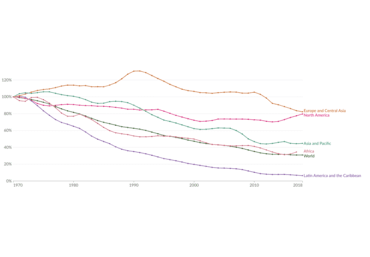
What you need to know about the nature crisis
We are experiencing a dangerous decline in nature
and humans are causing it

1,000,000

species almost
extinct

75%

of Earth's land
affected

66%

of Oceans
impacted

Biodiversity strategy
for 2030

By 2030, EU biodiversity strategy aims to restore and protect ecosystems, ensuring a harmonious balance between human activity and the natural world for a sustainable future.